
In most situations, a signed release of an injury claim is treated as final. A release generally ends your claim against the people or companies it names in exchange for the settlement payment, and courts generally treat a signed release as binding.
If you are thinking, “I settled my case without an attorney, can I change my mind?”, the answer depends on three things:
- Whether you have signed anything yet.
- Whether payment has been made.
- Exactly what the release says.
Contract law recognizes limited grounds to challenge an agreement, such as fraud, duress, mutual mistake, or lack of legal capacity. These are fact-specific and can be difficult to prove.
If you have not signed yet, you have the most flexibility. If you have signed, review the release and your options promptly. A South Carolina personal injury lawyer at Shelly Leeke Law Firm can review what you signed and explain where you stand. But remember no attorney can promise a particular result.
What Does It Mean to Sign a Release of an Injury Claim?
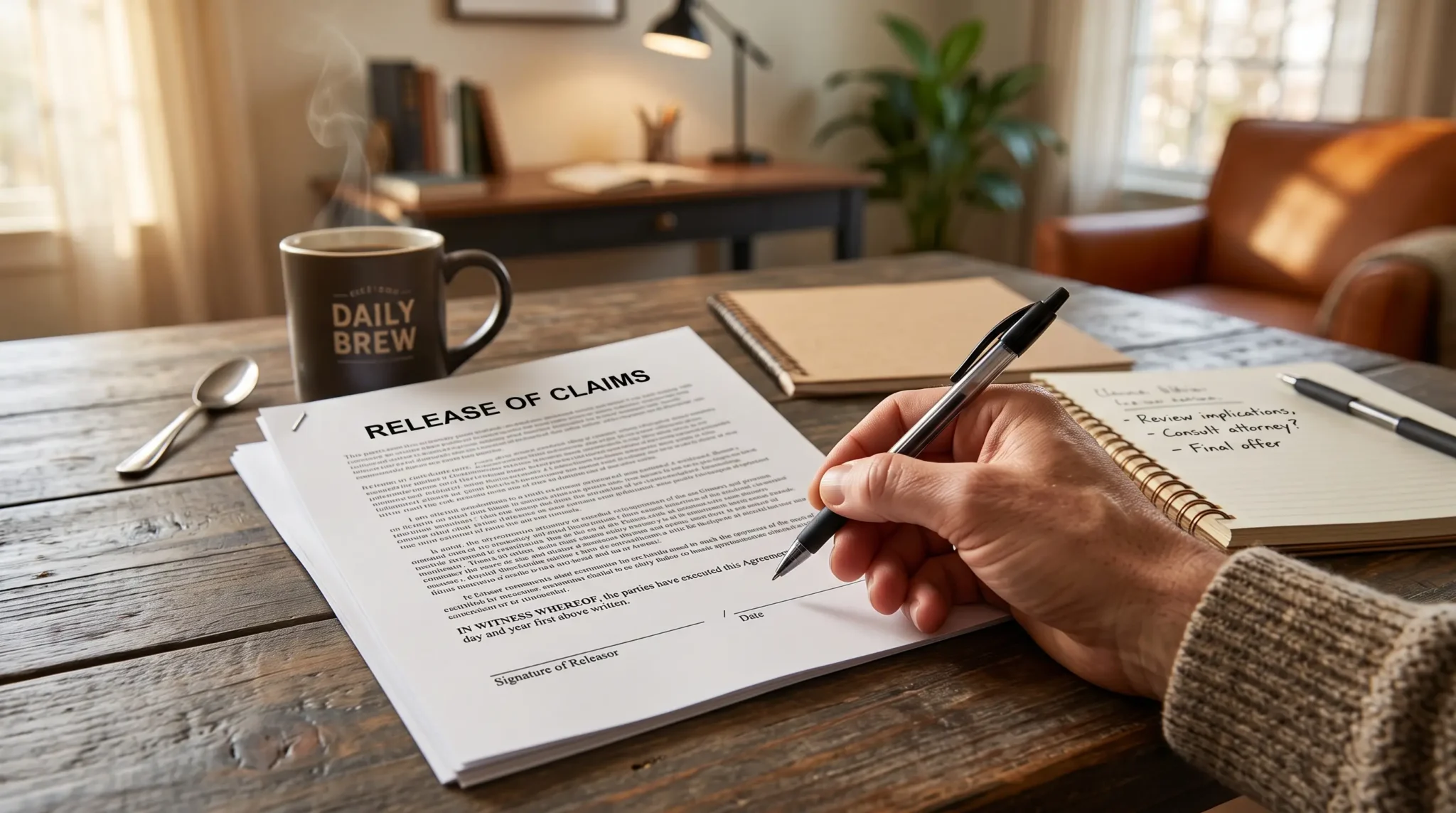
A release is a legal document in which you give up claims against another party in exchange for payment.
- A full and final release generally means the payment resolves the claim completely.
- A “general release” may cover more than the specific accident, depending on its wording.
The exact language controls what was released, and who. Some releases name only the at-fault driver. Others also name insurers, employers, or other people or businesses. Settlements can also be made directly with individuals or businesses, not only insurers.
Bodily Injury Release vs Property Damage Release
A bodily injury release covers claims for your physical injuries. A property damage release covers your vehicle or other property. Signing one does not automatically release the other, but the wording is what decides. Read carefully: some forms combine both.
Does It Matter Whether I Have Signed the Release or Cashed the Check?
It can. Here is how it generally breaks down:
Nothing Signed Yet
If you only discussed or verbally agreed to a number, do not sign until you understand the document. Whether an unsigned agreement is binding depends on the circumstances. Once a lawsuit is pending, South Carolina’s court rules (Rule 43(k), SCRCP) generally require settlement agreements to be in a signed writing or placed on the court record to be binding.
Signed But Not Yet Paid
A signed release is generally treated as an agreement, even before payment arrives. Get advice quickly if you have concerns.
Signed and Paid
This is the hardest situation to change. Keep all documents and records of payment.
Whether cashing a check, by itself, has a particular legal effect depends on the facts and the documents involved. Do not assume either way.
Can a Signed Settlement Ever Be Challenged in South Carolina?
Sometimes, but rarely, and never automatically. The general rule is that a signed release is binding. Contract law recognizes certain grounds that may allow a court to set an agreement aside, such as:
- Fraud or misrepresentation about a material fact.
- Duress.
- A mutual mistake by both sides about an existing fact.
- Lack of legal capacity to sign.
Each of these has specific requirements, and the person challenging a singed settlement agreement in South Carolina usually carries the burden of proof. Regret, deciding the amount was too low, or learning later that the claim may have been worth more is generally not enough on its own. Whether any ground applies to you depends on your specific facts.
What If My Injuries Got Worse After I Settled My Case Without an Attorney?
This is a common and understandable concern. Many releases expressly cover known and unknown injuries, including injuries that develop or worsen later. When a release uses that kind of language, it generally covers those injuries too. Some courts distinguish a mistake about the nature of an existing injury from a change in how a known injury progresses, and the outcome depends heavily on the facts and the release language. Do not assume a worsening injury reopens your claim.
Does Settling Affect My Own Insurance Coverage or Other Claims?
It can. If your damages exceed the at-fault driver’s liability coverage, your own underinsured motorist (UIM) coverage may matter. S.C. Code § 38-77-160 addresses what happens when the at-fault driver’s insurer offers its policy limits. It gives the UIM insurer certain rights and provides that a UIM policy may not require the insurer’s consent to settle with the at-fault party.
How a particular release affects UIM, medical payments, or other claims depends on the release wording and your policy. Have both reviewed before assuming anything.
What About Medical Bills, Liens, and Reimbursement Obligations?
Settling a claim does not necessarily end your obligations to others. Health insurers, medical providers, or government programs may have a right to be repaid from a settlement for bills they paid. Unpaid medical bills generally remain your responsibility. Read the release carefully to see whether it says who is responsible for liens.
Are Settlements Involving Children Handled Differently?
Yes. South Carolina has specific procedures for settling claims of minors and incapacitated persons, including court approval above certain amounts, under S.C. Code § 62-5-433. If a child’s claim was settled, whether those procedures were followed can matter, and a lawyer should review it.
What Should I Do If I Regret Settling or Have Not Signed Yet?
Whether you are second-guessing a verbal agreement or feeling pressured to sign a release you aren’t sure about, taking immediate, deliberate steps can help protect your rights. How much flexibility you have depends heavily on where you are in the settlement process, making it essential to safeguard your documentation and avoid taking actions that could make an agreement binding.
Here are the steps you should take:
- Do not sign anything you do not understand.
- Keep every document such the release, any letters, the check or payment records, emails with the adjuster, and your medical records.
- Write down what was said, by whom, and when.
- Stay calm in any communication with the insurer. Avoid arguing or making accusations before you understand your position.
- Note the date you signed and any deadlines.
- Consider having a lawyer review the release promptly.
If you have not accepted an offer yet, our FAQ on how to tell if a settlement offer is fair can help. It may also help to review the questions insurance companies ask after an accident.
Is There a Deadline If I Have Not Signed a Release Yet?
Yes. If your claim is not resolved, you may need to file a lawsuit. Many South Carolina injury claims must be filed within three years under S.C. Code § 15-3-530. Claims against government entities follow the South Carolina Tort Claims Act, which generally sets a two-year period. Different rules apply to minors. Negotiating with an insurer does not by itself stop the deadline from running.
Note: Because legal exceptions exist that can shorten or extend these timeframes, filing deadlines vary widely based on your specific facts. It is best to contact a personal injury lawyer promptly to ensure you do not miss the legal deadline that applies to your case.
How Can a South Carolina Personal Injury Lawyer Help After I Have Settled or Before I Sign?
A lawyer can:
- Review the release and settlement documents.
- Explain what rights you gave up.
- Evaluate whether any recognized legal ground may exist to challenge the release.
- Check related coverage and liens.
- Advise you on your options.
The clearest opportunity to protect your rights is before you sign. Whether your claim came from a South Carolina car accident or another injury, Shelly Leeke Law Firm works on a contingency basis, meaning no fee unless the firm recovers for you. No lawyer can guarantee a result.
Speak With a South Carolina Personal Injury Attorney Today
Whether you are weighing an initial offer or wondering if a signed release can be undone, having an attorney review your paperwork is the best way to protect your rights. Evaluating your options quickly is critical at any stage of the settlement process.
If you are asking, “I settled my case without an attorney, can I change my mind?”, we can help you understand where you stand. Contact Shelly Leeke Law Firm today at (843) 604-3273 to request a free consultation with Shelly Leeke Law Firm to review your release or offer.